



Attract Clients Through Digital Growth
How to Attract Clients for a Business Through Digital Growth explains how companies can turn online presence into a predictable source of enquiries, leads and sales. This guide covers strategy, planning, examples, benefits, common mistakes and best practices for building a digital growth system around positioning, content, website conversion, CRM logic and customer journeys. You will learn how to attract clients for a business through clearer messaging, stronger digital touchpoints, better trust signals and a structured approach to long-term online growth.
Introduction: Why lead generation for services still fails even when you are paying for traffic
If you run a business that sells services, whether legal, accounting, IT, consulting, repair, or construction, you probably know the feeling: the ad budget exists, enquiries come in, but the leads are cold, the dialogue goes nowhere, and the cost per lead feels unjustifiable. In 2026, attracting service clients is constrained by two things: intense digital competition and the internal inability of many companies to process leads properly once they arrive.
The truth is that the problem is rarely just the traffic channel. More often, the weakest link is the company’s own digital ecosystem and operating process. In this article, we go beyond a list of marketing tools and explain a client-acquisition strategy in which marketing and IT infrastructure work as one system. Without solving the internal technology side, you will keep losing money no matter how many campaigns you launch.
Block 1: The foundation you cannot ignore — your website and CRM as a digital reception desk
Before you spend more on acquisition, ask what a potential client sees and feels when they arrive.
- A brochure site vs an expert site
- The mistake: A website that talks only about itself.
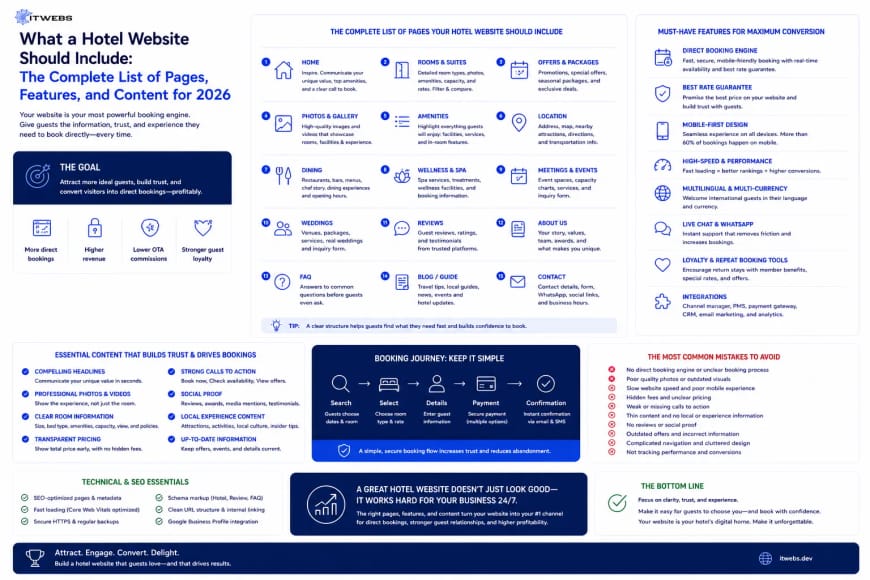
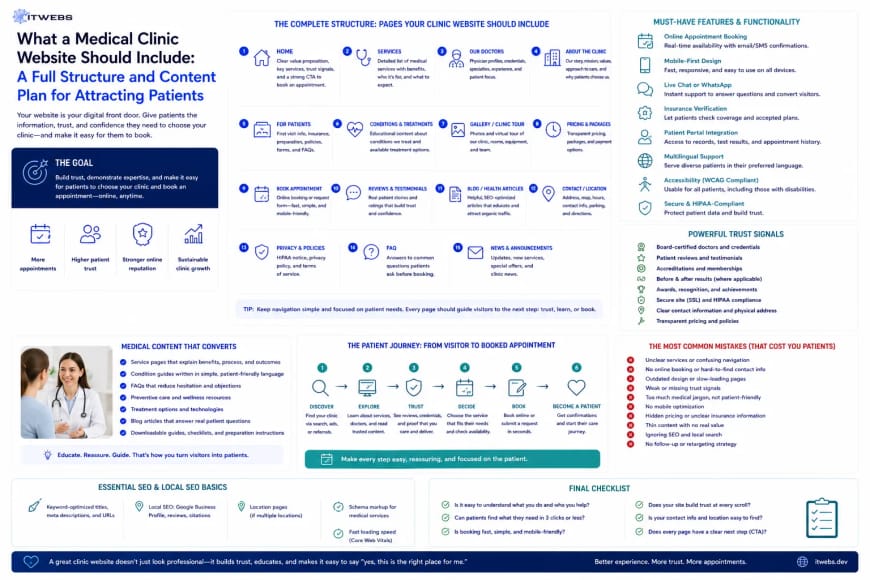
- The solution: A site that acts as a useful expert resource. That means a knowledge base or blog answering real audience questions, well-structured service pages that explain value and process, and a simple way to contact or request a proposal.
But there is a catch: even a strong website is useless if enquiries are lost in email or messaging threads.
- CRM as the operational brain of client acquisition
- The mistake: Enquiries from the website, phone, email, and social channels live in different places. Managers spend most of their time hunting for information instead of working with customers.
- The solution: A CRM that captures every enquiry automatically, creates tasks, supports follow-up, shows funnel bottlenecks, and connects to your operational systems such as 1C.
Bottom line: client acquisition starts not with running ads, but with building a working link between the website, CRM, and the systems that actually deliver the service.
Block 2: Traffic channels only work properly when they are connected to the system
- Content marketing and SEO for long-cycle sales
- Create useful expert content that answers the questions your audience is already typing into search engines.
- This only works well when the site is fast, properly structured, mobile-ready, and connected to your CRM.
- Paid search and targeted advertising for faster lead flow
- These channels can produce leads quickly, but only if the business has end-to-end analytics in place.
- Without analytics that connect click to deal, you cannot see which channels generate revenue rather than noise.
- Messenger automation
- Chatbots and scripted messaging can pre-qualify leads, answer routine questions, and push the conversation into CRM automatically.
Block 3: Why growth hits a ceiling and how technology removes it
- Problem: Sales managers cannot process the incoming volume quickly enough, and quality drops.
- Solution: A stronger CRM setup with structured sales scripts, reminders, and templates to improve both speed and consistency.
- Problem: Marketing ROI remains vague because the data is fragmented.
- Solution: A BI dashboard that combines ad, CRM, and operational data into one decision-making layer.
- Problem: The service process is opaque for the client, and internal coordination creates delays.
- Solution: A personal account area or client portal where progress, documents, and communication are visible in one place.
Conclusion: Client acquisition is not just a marketing campaign. It is a digital ecosystem.
In 2026, attracting service clients effectively is not merely a marketer’s task. It is a business process built on technology. From the first interaction with your content to the signed contract, every step should be connected, measurable, and manageable.
Trying to scale advertising without a strong internal digital infrastructure, fast website, CRM, analytics, and system integrations, is like pouring water into a sieve. You increase inflow, but the leads leak out through operational gaps.
Ready to build a system that actually scales?
We specialise in turnkey ecosystems that combine website, CRM, ERP or 1C, analytics, and automation into one connected process that turns demand into predictable revenue.