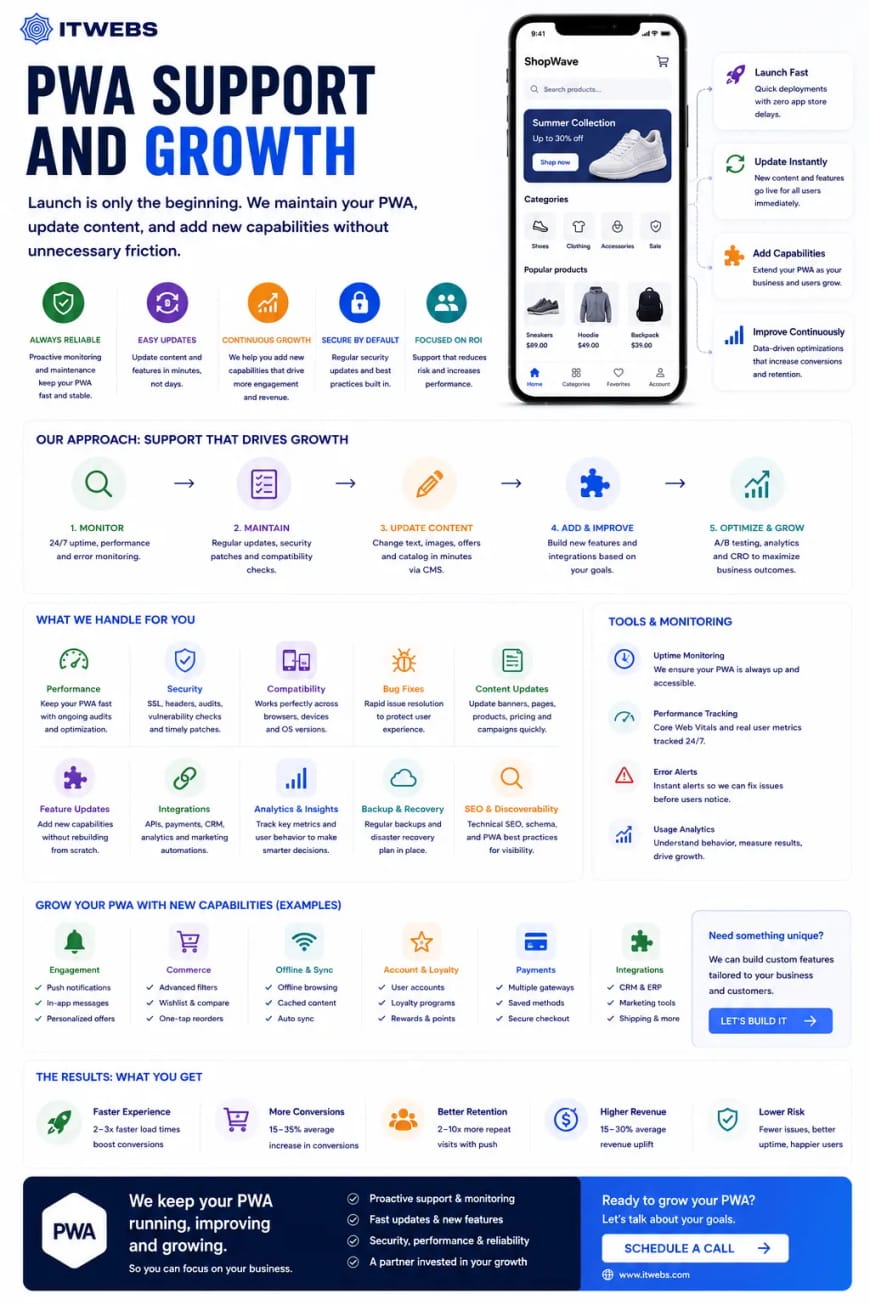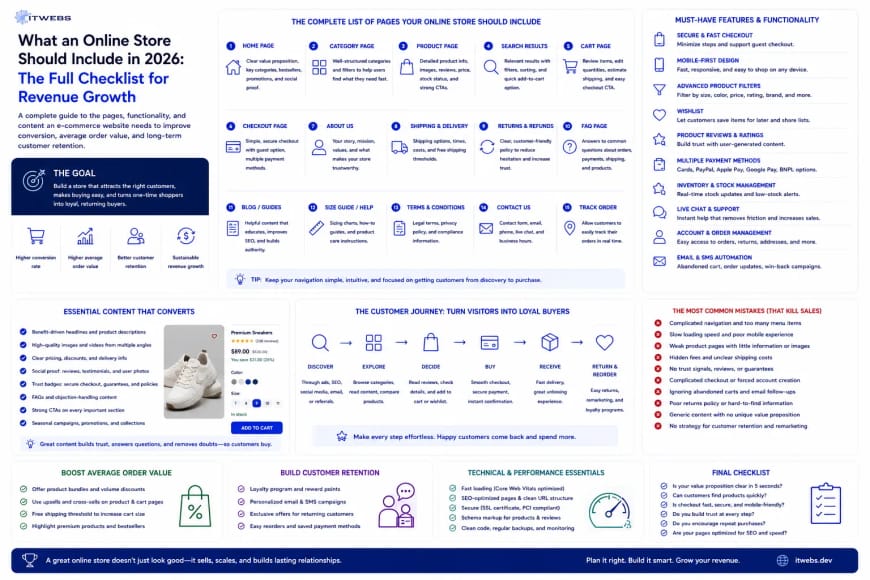




CRM as a Growth Service
CRM as a Growth Service: How We Turn Support into a Strategic Partnership explains how CRM work can move beyond technical maintenance and become a driver of business growth. This guide covers strategy, planning, examples, benefits, common mistakes and best practices for using CRM implementation, CRM automation and continuous improvement as a long-term partnership model. You will learn how to evaluate custom CRM vs ready-made CRM, improve sales workflows, reduce manual tasks and turn CRM support into a structured growth service for better customer management and scalable operations.
Introduction: Why Your CRM Is Not Delivering Results Even If It "Works"
The situation is familiar: the CRM has been implemented, managers fill in cards, reports are generated, and yet sales are not growing. Why? Because CRM is often treated as software for record-keeping rather than as a platform for growth. The real return on a CRM begins not at launch, but through continuous development and proactive support. In this article, we explain how we turned CRM support into a service that directly influences our clients' revenue.
Section 1: What Proactive CRM Support Means to Us
This is not a help desk you contact only when something breaks. It is a recurring improvement cycle:
- Monthly funnel audits. We analyse where deals are getting stuck and recommend changes to workflows, automation steps, scripts, or card fields.
- Data quality monitoring. Duplicate records, empty fields, and unrealistic amounts distort reporting. We clean the database automatically and set up validation rules.
- Monthly team training. Short practical sessions based on real mistakes found in the CRM. Not theory, but hands-on improvement.
Section 2: How We Turn Support into Growth, Three Key Levers
- Automating routine based on analysis.
- Example: we notice that managers forget to send contracts after issuing invoices. We configure a trigger so that when a deal moves to "Invoice sent," the CRM automatically sends the contract template and creates a follow-up task with a control date.
- Result: the sales cycle becomes 20% shorter.
- Introducing smart reminders and nurture flows.
- Based on communication history, the CRM suggests which silent clients a manager should call and which ones should be invited to a webinar. This is more than a reminder, it is a lead prioritisation system.
- Case: for a B2B services client, we implemented an automated three-email nurture flow for dormant contacts. Repeat-sale conversion grew by 18% in two months.
- Integrating new tools without disrupting operations.
- Business changes, and the CRM must adapt. We add new modules gradually: a chatbot for lead qualification, WhatsApp Business API integration, or AI-based deal probability scoring. Everything is introduced iteratively, without big-bang rollouts.
Section 3: Why Standard Technical Support Cannot Do This
A standard help desk works on a simple principle: a ticket comes in, a bug gets fixed. That is a reactive model. We offer a "CRM as a Growth Service" package that includes a dedicated analyst who understands your business context. Instead of waiting for requests, this specialist regularly initiates improvements based on your sales KPIs.
The package includes:
- Monthly funnel audits with recommendations.
- Automation setup and improvements, up to 10 hours per month.
- Training for new employees.
- 24/7 emergency support with a 15-minute SLA for critical incidents.
Conclusion: CRM Is Not a Product, It Is a Process
Think of CRM not as a machine you bought once, but as a garden that needs ongoing care. That is how it starts yielding real results in the form of rising revenue and stronger customer loyalty.
Is your CRM working for you or simply taking up space on your server?
Request a free audit of your current system. We will show you where growth is hiding and estimate how much conversion you can gain without increasing your advertising budget.