



Attract Clients as an Independent Specialist
How to Attract Clients as an Independent Specialist Online is a practical guide for experts who want to build trust, present their value clearly and turn online visibility into enquiries. This article covers How to Attract Clients as an Independent Specialist Online strategy, planning, examples, benefits and best practices for creating a stronger personal digital presence. Use this checklist to avoid common mistakes, improve positioning and understand how an independent specialist can attract better clients through content, portfolio, reputation and a clear offer.
Introduction: Why being good at the work is no longer enough
You may be an excellent repair specialist, designer, massage therapist, consultant, developer, or craft expert, yet still struggle with unstable demand. Orders come from friends, classified platforms, or scattered chat messages. You spend your day doing the work and your evening trying to act as a sales manager, marketer, and administrator at once.
That model burns people out. In 2026, referrals still matter, but word of mouth has moved online. Prospective clients do not just look for someone who can do the job. They look for a person they can trust. They check reviews, examples, social proof, pricing clarity, and how easy it is to book or ask a question. If your digital presence looks vague or amateur, you lose opportunities before the conversation starts.
Block 1: Build a home base for your personal brand
Your first goal is not more platforms. It is one clear place that presents you professionally.
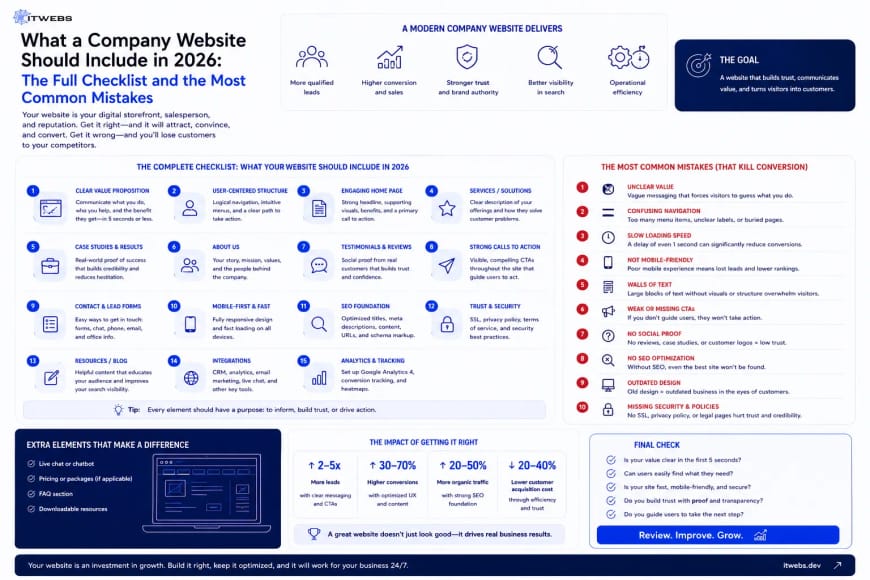
- Create a focused landing page or personal website.
- Typical mistake: Relying only on a marketplace profile or social page with a short, generic description.
- Better approach: Build a simple but credible site that explains what you do, who you help, what results people can expect, and why they should trust you.
- That site should include a strong headline, your photo, a short founder story, a portfolio or before-and-after examples, a clear list of services, and either a visible price range or a basic calculator.
- Unify incoming requests.
- Typical mistake: Messages are spread across WhatsApp, Telegram, Instagram, calls, and email, so enquiries get lost.
- Better approach: Create one intake system with forms, booking widgets, chat connectors, or a lightweight CRM so every enquiry lands in one place and receives a consistent follow-up.
Block 2: Use acquisition channels that reinforce trust, not noise
- Search and local intent.
- If your work is local, a landing page with service-specific pages, reviews, and location signals can attract clients who are already close to a decision.
- Social media as proof, not just activity.
- Show process, results, behind-the-scenes discipline, and client stories. Prospective customers want evidence, not just slogans.
- Review systems and testimonials.
- For independent specialists, reviews often matter more than visual branding. Ask for them systematically after a successful job.
- Messenger and email follow-up.
- Many clients are not ready at the first touch. Automated reminders, content, and follow-up sequences help move warm interest toward a booking.
Block 3: Know when a website and social media are no longer enough
As demand grows, the bottleneck usually shifts from visibility to operations. That is when a small digital system becomes a real business asset.
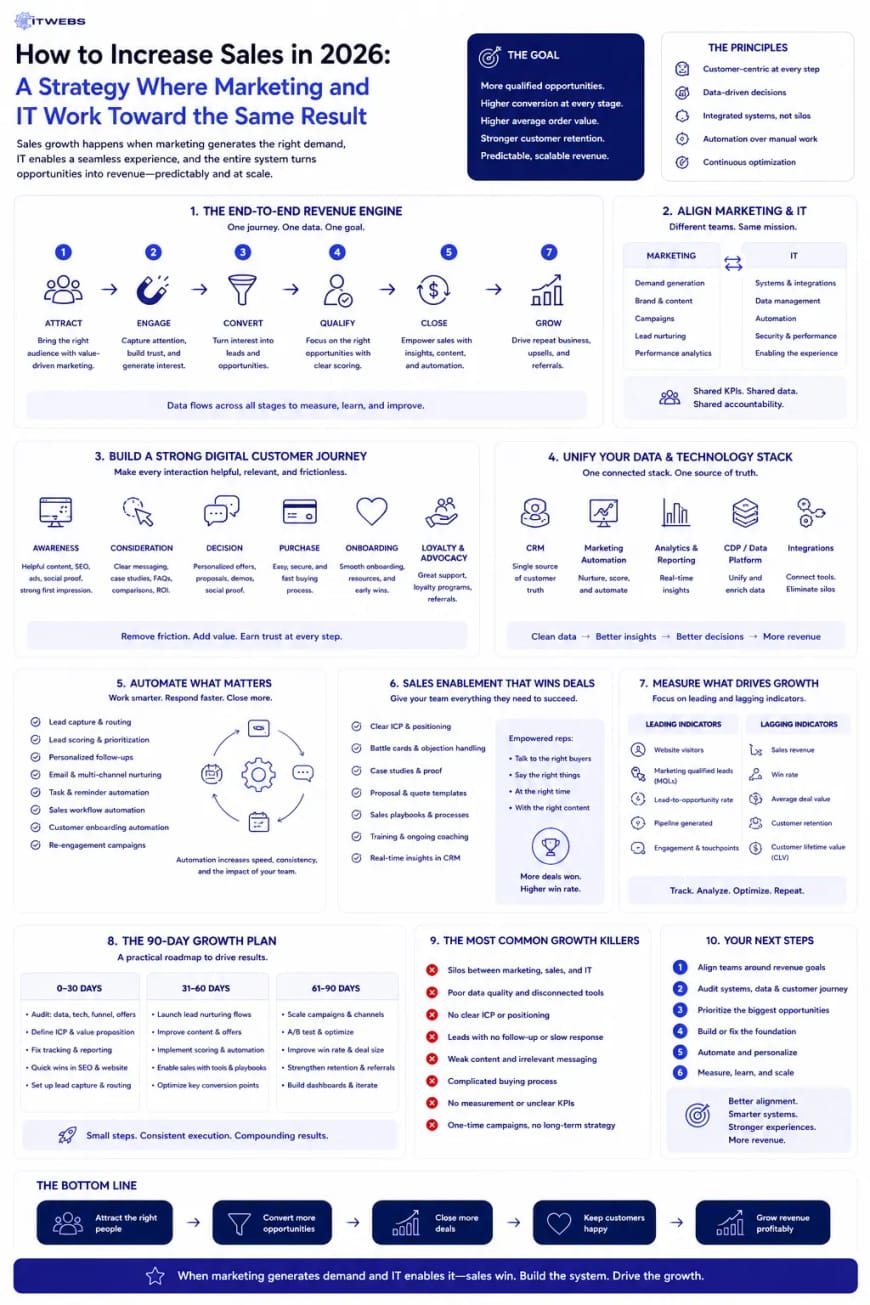
- A lightweight CRM can track leads, quotes, repeat jobs, and follow-ups.
- Booking flows can reduce time wasted on back-and-forth scheduling.
- Simple automations can send reminders, collect feedback, or deliver standard pre-service instructions.
- If your model includes repeat customers, subscriptions, maintenance plans, or consultations, a client portal or app can eventually become valuable.
Block 4: The common fears that keep solo specialists stuck
- I am too small for systems. In reality, solo specialists often gain the most because every missed call or forgotten reply hurts more when the whole business depends on one person.
- I do not need a website because social media is enough. Social channels can create attention, but they do not replace a clear, structured sales environment you fully control.
- This all sounds expensive. It does not need to begin with a large build. A focused landing page, intake automation, and basic CRM often create a strong foundation at a very manageable cost.
Conclusion: Your craft matters, but your system determines your income
The strongest independent specialists do not just sell hours or tasks. They build trust at scale. They make it easy to understand the offer, see proof, book a service, and come back again.
That is what a personal digital ecosystem does. It reduces dependency on marketplaces, supports higher pricing confidence, and turns a talented individual into a stable business with repeatable demand.