



Increase Business Sales with Marketing and IT
Understanding how to increase company sales starts with connecting marketing, IT, analytics and customer experience into one growth system. This article explains how to increase sales in business, improve sales processes and use digital tools to attract better leads, reduce friction and increase conversion. You will learn how to boost sales for a small business, how to improve business sales and how to increase your business sales through automation, CRM, website optimization, content strategy and performance tracking. Use this guide to build a smarter sales ecosystem and turn digital channels into measurable revenue growth.
Introduction: Why isolated marketing actions rarely produce meaningful sales growth
Many companies keep launching campaigns, refreshing their website, or hiring channel specialists, only to discover that revenue barely moves. The problem is not always the amount of activity. More often, it is the lack of system design behind that activity.
When marketing cannot see which leads become revenue, sales works from spreadsheets, and the customer receives different messages at each touchpoint, budget leaks out of the funnel. In that situation, advertising may generate attention, but it also warms the market for competitors. Real sales growth appears when marketing, sales, and IT operate as one connected system.
Block 1: Diagnose the three issues that usually block growth
- The funnel is a black box.
- Traffic arrives, but no one can clearly see where prospects drop out or which channels produce profitable customers. Without end-to-end analytics, the business is making expensive guesses.
- Communication is fragmented.
- One message appears in ads, another on the website, and a third in the sales conversation. Without a shared customer record, trust weakens and conversion suffers.
- Too much routine work remains manual.
- Sales teams lose time entering data, preparing repetitive proposals, chasing information, and moving tasks between disconnected tools. That slows response time and reduces the number of quality client interactions.
Block 2: Build a sales-growth system rather than a list of tactics
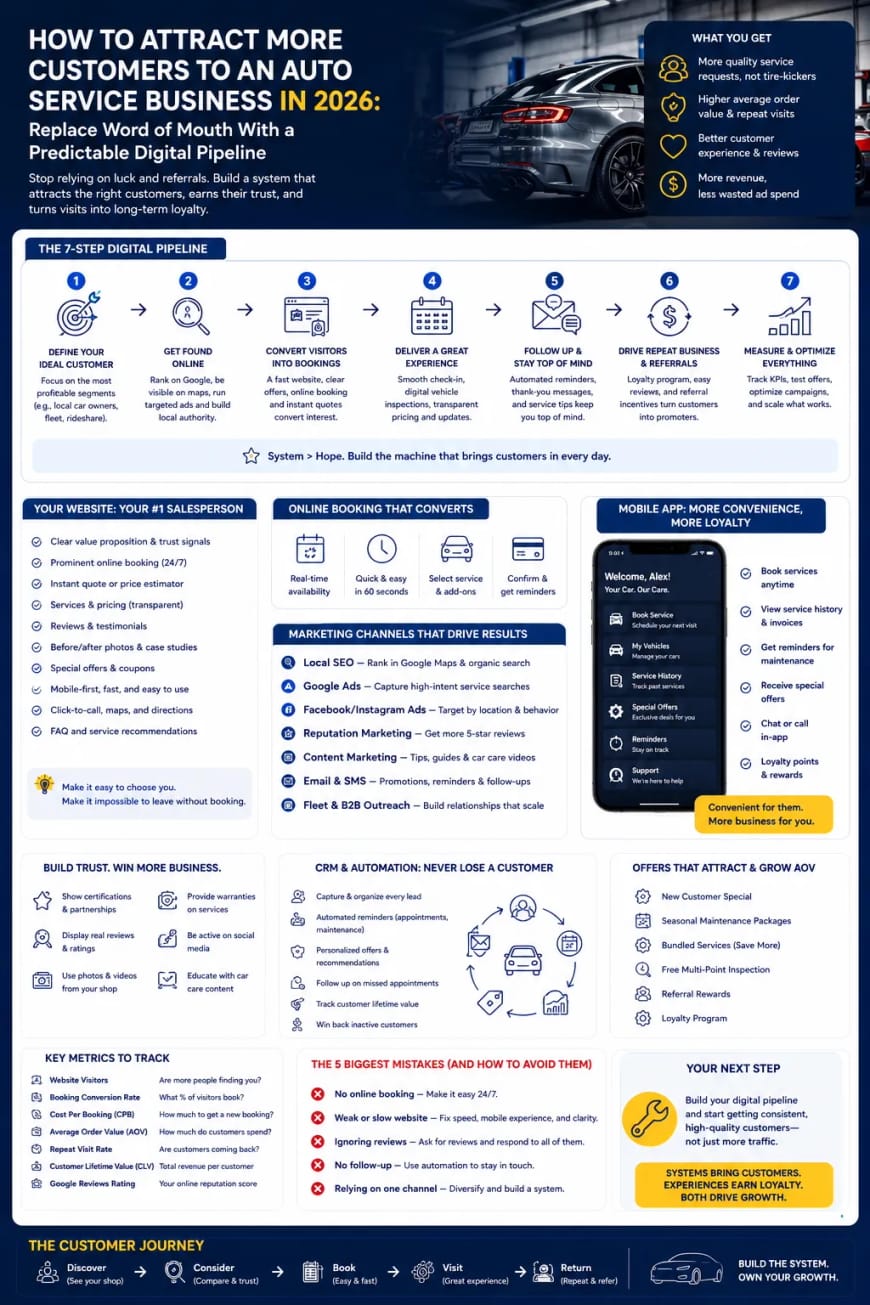
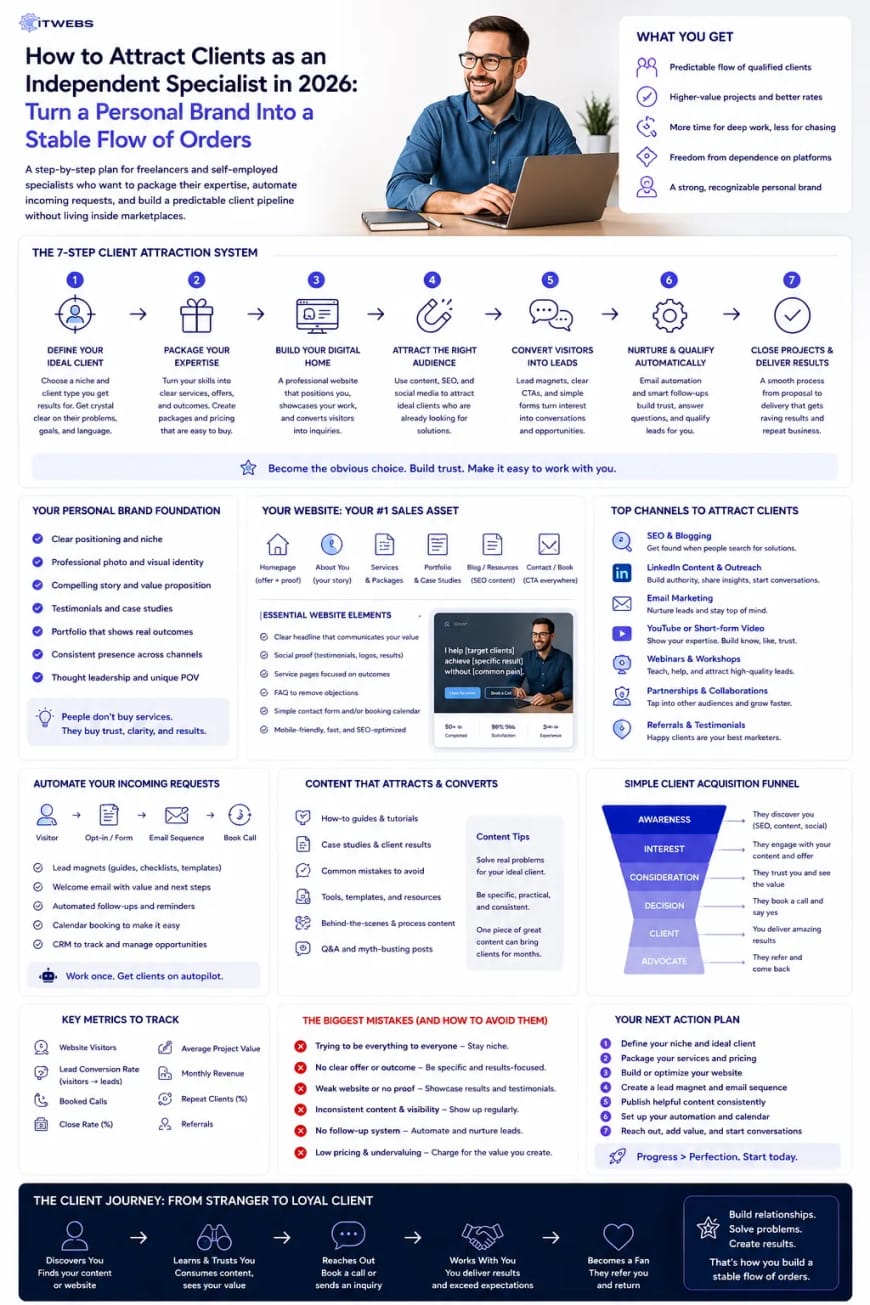
- Create one digital core around CRM.
- A CRM is not just a contact database. It is the operational source of truth for both marketing and sales.
- Marketing gains visibility into which channels generate real revenue rather than low-quality leads.
- Sales gains automation for lead capture, task reminders, templates, status tracking, and cleaner pipeline management.
- Automate the funnel and personalise communication.
- Leads should not receive the same follow-up regardless of intent. Automation helps segment prospects by source, behaviour, stage, product interest, or account profile.
- That makes nurture sequences, proposals, reminders, and offers more relevant, which usually improves both conversion and sales-cycle speed.
- Make analytics actionable.
- Dashboards should connect traffic, cost, lead quality, deal creation, closed revenue, retention, and lifetime value. That is how the company learns where to scale, where to fix conversion, and where to stop wasting money.
Block 3: The tools and technologies that support sustainable growth
- CRM implementation and integration: centralised lead and client management.
- Website and landing-page optimisation: clearer structure, stronger offers, and lower friction in the conversion path.
- End-to-end analytics: visibility from first click to signed contract or paid order.
- Marketing automation: personalised email, messenger, retargeting, and workflow triggers.
- Commercial process automation: proposal generation, scoring, routing, and internal alerts.
- Content and credibility layers: case studies, reviews, objections handling, and FAQ content that supports the sales team before the call happens.
Block 4: What a results-focused implementation often changes in practice
When a company moves from isolated tools to a connected revenue system, the gains are usually visible in several places at once: lead response becomes faster, data quality improves, managers spend more time selling, and leadership can finally see which actions affect margin rather than just lead volume.
That is why the strongest digital projects are not cosmetic. They change how demand is captured, processed, prioritised, and converted.
Conclusion: Sales growth is an operating model, not a campaign
Increasing sales in 2026 is not about adding another channel on top of a broken process. It is about aligning the entire customer journey, from acquisition to qualification, proposal, follow-up, and retention.
When marketing, sales, and IT pull in the same direction, growth becomes measurable, repeatable, and easier to scale. That is the difference between spending more and actually selling more.